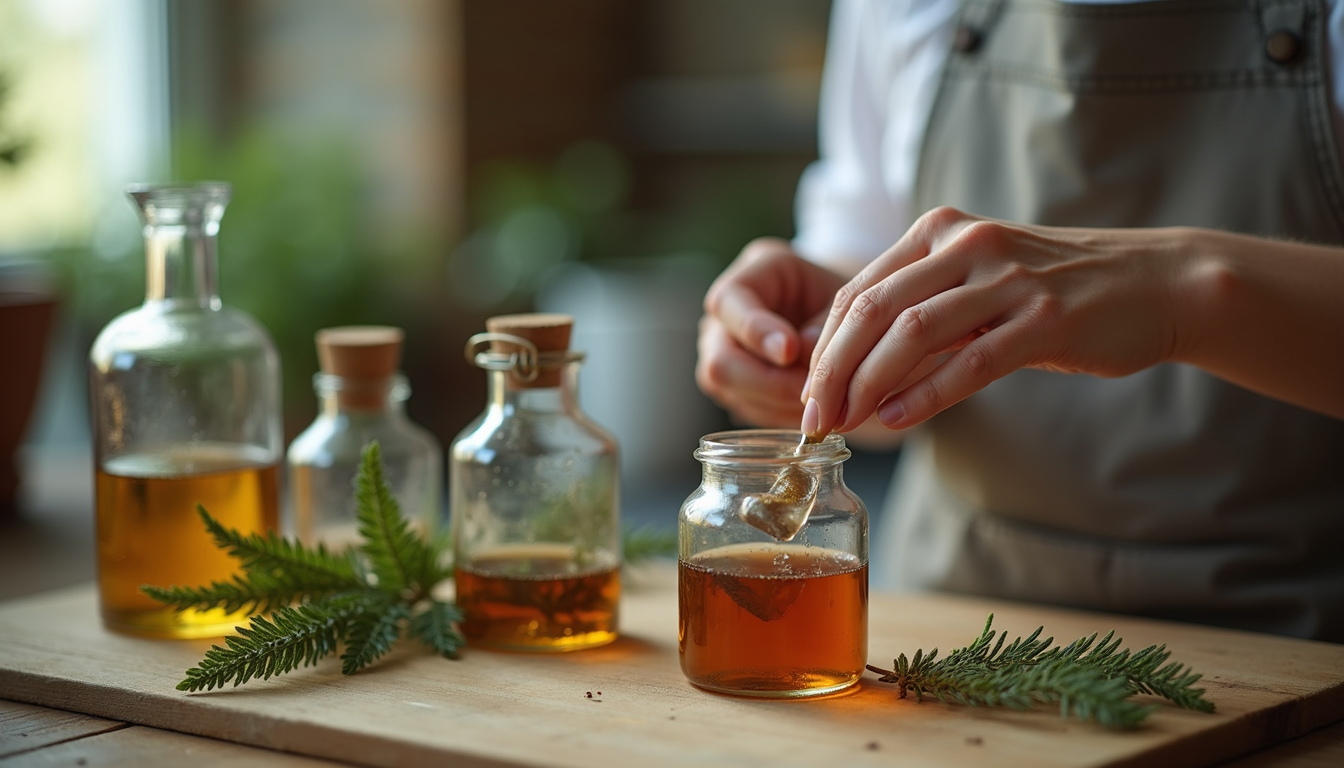
Empower Your Wellbeing: Essential Plant Medicine-Making Tips
In a world where wellness is often tied to synthetic solutions, many are turning back to nature. Plant medicine offers a holistic approach to health, tapping into the power of herbs and botanicals. Whether you are a seasoned herbalist or just starting your journey, understanding how to make your own plant medicine can be empowering. This guide will provide you with essential tips to create your own remedies, enhancing your wellbeing naturally.
Understanding Plant Medicine
Plant medicine refers to the use of plants for healing purposes. This can include herbs, flowers, and even roots. These natural remedies have been used for centuries across various cultures. They can support physical, emotional, and spiritual health.
Many people are drawn to plant medicine because it is often seen as a safer alternative to pharmaceuticals. When made correctly, these remedies can be effective and have fewer side effects.
The Basics of Plant Medicine-Making
Before diving into the specifics, it is important to understand the basic principles of plant medicine-making:
- ·Quality of Ingredients: Always use high-quality, organic plants. This ensures that your remedies are free from pesticides and other harmful chemicals.
- ·Proper Identification: Make sure you can accurately identify the plants you are using. Misidentification can lead to ineffective or even harmful remedies.
- ·Preparation Methods: Different plants require different preparation methods. Common methods include infusions, tinctures, and salves.
Gathering Your Supplies
To get started, you will need some basic supplies:
- ·Glass jars for storing your remedies (dark glass is best for tinctures)
- ·Cheesecloth or fine mesh strainer for straining liquids
- ·Labels to keep track of your creations
- ·Mortar and pestle for grinding dried herbs
- ·Measuring spoons for accurate measurements
Making Herbal Infusions
Herbal infusions are one of the simplest ways to extract the benefits of plants. They are made by steeping herbs in hot water, similar to making tea:
- ·Choose Your Herb: Select a dried herb — chamomile for relaxation or peppermint for digestion are great starting points.
- ·Measure the Herb: Use about 1 tablespoon of dried herb for every cup of water.
- ·Boil Water: Bring water to a boil, then remove it from heat.
- ·Steep the Herb: Add the herb to the hot water and cover. Let it steep for 10–15 minutes.
- ·Strain and Enjoy: Strain the infusion into a cup. You can sweeten it with honey if desired.
Crafting Tinctures
Tinctures are concentrated herbal extracts made using alcohol or vinegar. They are potent and can be taken in small doses:
- ·Select Your Herb: Choose a fresh or dried herb — echinacea is popular for immune support.
- ·Prepare the Jar: Fill a glass jar halfway with the herb.
- ·Add Alcohol: Pour high-proof alcohol (like vodka) over the herb until it is completely submerged.
- ·Seal and Store: Seal the jar tightly and store it in a cool, dark place for 4–6 weeks. Shake it gently every few days.
- ·Strain and Bottle: After the steeping period, strain the mixture through cheesecloth and transfer it to a dark glass bottle.
Creating Herbal Salves
Salves are topical applications made from herbs and oils — excellent for skin issues, muscle pain, or as a moisturizer:
- ·Choose Your Herbs: Calendula is great for healing; lavender can soothe irritation.
- ·Infuse the Oil: Fill a jar with your chosen herbs and cover with a carrier oil (olive or coconut). Let it sit in a warm place for 2–4 weeks, shaking occasionally.
- ·Strain the Oil: After the infusion period, strain the oil through cheesecloth.
- ·Melt the Beeswax: In a double boiler, melt beeswax and add the infused oil. Use a ratio of 1 part beeswax to 4 parts oil.
- ·Pour and Cool: Pour the mixture into small containers and let it cool.
Safety Considerations
While plant medicine can be beneficial, it is important to approach it with caution:
- ·Consult a Professional: If you are pregnant, nursing, or taking medications, consult a healthcare provider before using herbal remedies.
- ·Start Small: When trying a new remedy, start with a small dose to see how your body reacts.
- ·Research: Always research the herbs you are using. Some plants can interact with medications or have contraindications.
Building Your Herbal Knowledge
To empower your wellbeing through plant medicine, continuous learning is key:
- ·Books: Invest in reputable herbalism books that cover both theory and practical applications.
- ·Workshops: Attend local workshops or online courses. Hands-on experience can deepen your understanding.
- ·Join a Community: Connect with other herbal enthusiasts. Online forums and local groups can provide support and inspiration.
Embracing the Journey
Making your own plant medicine is not just about the end product. It is a journey of discovery and connection with nature. As you experiment with different herbs and methods, you will learn more about your body and its needs.
Remember, the goal is to empower your wellbeing. Take your time, enjoy the process, and celebrate your successes. Each remedy you create is a step towards a healthier, more balanced life.
Ready to go deeper?
Book a free consultation and let's discover what your body is asking for.
Book a Free Consultation